Published
What is bunion surgery?
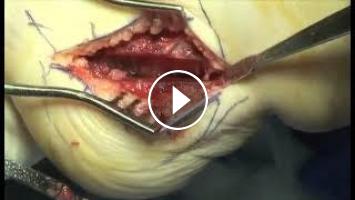
Bunion surgery is done to reduce the pain and correct the deformity caused by a bunion. A bunion (hallux valgus) is an enlargement of the bone or tissue around a joint at the base of the big toe or at the base of the little toe. This one is called a "bunionette" or "tailor's bunion." Bunions often form when the joint is stressed over a prolonged period. Most bunions form in women, primarily because women may be more likely to wear tight, pointed, and confining shoes. Bunions may be inherited as a family trait. Bunions may also result from arthritis. This often affects the big toe joint.
Before surgery is considered, your healthcare provider may recommend first wearing comfortable, well-fitting footwear (particularly shoes that conform to the shape of the foot and do not cause pressure areas). He or she may also suggest using splints and orthotics (special shoe inserts shaped to your feet) to reposition the big toe and/or provide padding. For bunions caused by arthritis, medicines may help reduce pain and swelling.
If these treatments don't help, your healthcare provider may suggest surgery. This often resolves the problem. The goal of surgery is to relieve pain and correct as much deformity as possible. The surgery is not cosmetic and is not meant to improve the appearance of the foot.
Other related procedures that may be used to help diagnose foot disorders include X-rays of the bone and foot. Please see these procedures for more information.
The type of surgical procedure performed depends on the severity of the bunion, your age, general health, activity level, and the condition of the bones and connective tissue. Other factors may influence the choice of a procedure used:
Mild bunion. For this type of surgery, the surgeon may remove the enlarged portion of bone and realign the muscles, tendons, and ligaments surrounding the joint.
Moderate bunion. For a moderate bunion, the surgeon may cut the bone and shift it to its proper position. Whether or not the bone is cut depends on the severity and location of the deformity. In addition, the surrounding tendons and ligaments may need to be repositioned.
Severe bunion. For a severe bunion, surgery may involve removing the enlarged portion of the bone, cutting and realigning the bone, and correcting the position of the tendons and ligaments.
Arthritic bunion or big toe joint. If the joint is damaged beyond repair, as is often seen in arthritis, it may need to be fused. This allows the bones to heal together and eliminate movement and pain. Occasionally, joint replacement implants may be used in the reconstruction of the big toe joint.
Why might I need bunion surgery?
You may need bunion surgery if you have severe foot pain that happens even when walking or wearing flat, comfortable shoes. Surgery may also be needed when chronic big toe inflammation and swelling isn't relieved with rest or medicines.
Other reasons for surgery include toe deformity, a drifting in of the big toe toward the small toe, and an inability to bend and straighten the big toe.
There may be other reasons for your healthcare provider to recommend bunion surgery.
What are the risks of bunion surgery?
As with any surgical procedure, complications can happen. Some possible complications may include:
Stiffness
Numbness
Swelling
Delayed healing
Infection
Other complications may include recurrence of the bunion, nerve damage, and continued pain. The surgery may also result in overcorrection of the problem, in which the big toe extends away from the other toes.
There may be other risks depending on your specific medical condition. Be sure to discuss any concerns with your healthcare provider before the procedure.
How do I prepare for bunion surgery?
Your healthcare provider will explain the procedure to you and offer you the chance to ask any questions that you might have about the procedure.
You will be asked to sign a consent form that gives your permission to do the procedure. Read the form carefully and ask questions if something is not clear.
In addition to a complete medical history, your healthcare provider may perform a complete physical exam to make sure that you are in good health before undergoing the procedure. You may undergo blood tests or other diagnostic tests.
Tell your healthcare provider if you are sensitive to or are allergic to any medicines, latex, tape, and anesthetic agents (local and general).
Tell your healthcare provider of all medicines (prescribed and over-the-counter) and herbal supplements that you are taking.
Tell your healthcare provider if you have a history of bleeding disorders or if you are taking any anticoagulant (blood-thinning) medicines, aspirin, or other medicines that affect blood clotting. It may be necessary for you to stop these medicines before the procedure.
Bunion surgery is done to reduce the pain and correct the deformity caused by a bunion. A bunion (hallux valgus) is an enlargement of the bone or tissue around a joint at the base of the big toe or at the base of the little toe. This one is called a "bunionette" or "tailor's bunion." Bunions often form when the joint is stressed over a prolonged period. Most bunions form in women, primarily because women may be more likely to wear tight, pointed, and confining shoes. Bunions may be inherited as a family trait. Bunions may also result from arthritis. This often affects the big toe joint.
Before surgery is considered, your healthcare provider may recommend first wearing comfortable, well-fitting footwear (particularly shoes that conform to the shape of the foot and do not cause pressure areas). He or she may also suggest using splints and orthotics (special shoe inserts shaped to your feet) to reposition the big toe and/or provide padding. For bunions caused by arthritis, medicines may help reduce pain and swelling.
If these treatments don't help, your healthcare provider may suggest surgery. This often resolves the problem. The goal of surgery is to relieve pain and correct as much deformity as possible. The surgery is not cosmetic and is not meant to improve the appearance of the foot.
Other related procedures that may be used to help diagnose foot disorders include X-rays of the bone and foot. Please see these procedures for more information.
The type of surgical procedure performed depends on the severity of the bunion, your age, general health, activity level, and the condition of the bones and connective tissue. Other factors may influence the choice of a procedure used:
Mild bunion. For this type of surgery, the surgeon may remove the enlarged portion of bone and realign the muscles, tendons, and ligaments surrounding the joint.
Moderate bunion. For a moderate bunion, the surgeon may cut the bone and shift it to its proper position. Whether or not the bone is cut depends on the severity and location of the deformity. In addition, the surrounding tendons and ligaments may need to be repositioned.
Severe bunion. For a severe bunion, surgery may involve removing the enlarged portion of the bone, cutting and realigning the bone, and correcting the position of the tendons and ligaments.
Arthritic bunion or big toe joint. If the joint is damaged beyond repair, as is often seen in arthritis, it may need to be fused. This allows the bones to heal together and eliminate movement and pain. Occasionally, joint replacement implants may be used in the reconstruction of the big toe joint.
Why might I need bunion surgery?
You may need bunion surgery if you have severe foot pain that happens even when walking or wearing flat, comfortable shoes. Surgery may also be needed when chronic big toe inflammation and swelling isn't relieved with rest or medicines.
Other reasons for surgery include toe deformity, a drifting in of the big toe toward the small toe, and an inability to bend and straighten the big toe.
There may be other reasons for your healthcare provider to recommend bunion surgery.
What are the risks of bunion surgery?
As with any surgical procedure, complications can happen. Some possible complications may include:
Stiffness
Numbness
Swelling
Delayed healing
Infection
Other complications may include recurrence of the bunion, nerve damage, and continued pain. The surgery may also result in overcorrection of the problem, in which the big toe extends away from the other toes.
There may be other risks depending on your specific medical condition. Be sure to discuss any concerns with your healthcare provider before the procedure.
How do I prepare for bunion surgery?
Your healthcare provider will explain the procedure to you and offer you the chance to ask any questions that you might have about the procedure.
You will be asked to sign a consent form that gives your permission to do the procedure. Read the form carefully and ask questions if something is not clear.
In addition to a complete medical history, your healthcare provider may perform a complete physical exam to make sure that you are in good health before undergoing the procedure. You may undergo blood tests or other diagnostic tests.
Tell your healthcare provider if you are sensitive to or are allergic to any medicines, latex, tape, and anesthetic agents (local and general).
Tell your healthcare provider of all medicines (prescribed and over-the-counter) and herbal supplements that you are taking.
Tell your healthcare provider if you have a history of bleeding disorders or if you are taking any anticoagulant (blood-thinning) medicines, aspirin, or other medicines that affect blood clotting. It may be necessary for you to stop these medicines before the procedure.
- Category
- Mummification Bondage
- Tags
- emily addison bdsm, aspen ora feet

Be the first to comment
Up Next
Autoplay
-
25:21

Emily addison bdsm? Big Book Challenge 2020: Dr. Rebecca Wanzo's Earthseed presentation, Part 2 of 3
-
00:11
Emily addison bondage. Tickling feet sexy girl, prank tickle the soles of the feet #shorts #tickling
-
00:13
Emily Addison Bdsm - Anime damsel gagged (梅枝ナオミ) 1080pFHR
-
06:32
Emily Addison Feet... [ASMR]エアこちょこちょロールプレイ Tickle tickle 謝るまでお仕置き [音フェチ]
-
01:24
Bdsm Sex Toys : Mask Surgical /Tape Gagged Asian
-
03:31
Emily Addison Bondage! Tape gagged-Danny
-
05:22
EMILY ADDISON FEET... We Ducktaped Him to An Abandoned House!!!!!
-
00:30
ABDL: I’m sick.What happened? EMILY ADDISON BONDAGE
-
00:21
Emily Addison Gagged. Animation gagged
-
1:42:22
What If Naruto was The Son of an Ancient Greek Goddess | Movie 1 Emily Addison Feet
-
31:05

Let's play Trixie's Bad Bot Day: (Tickling RPG) - part 1
-
09:16

VERY HOT CHINESE GIRL Hogtied and Tickled with barefoot!!! Chinese Bondage/BDSM/tied up/hogtied
-
03:58

Escape Challenge || Jilbab Diikat (Req Subb)
-
14:26

Shibari You Can Use? Indo Girl Mummification, Breathplay (Bdsm)#5
-
30:03

Chinese Tickle in socks and barefeet
-
07:54

Kink Party Porn... Vanessa Julia 1
-
07:26

hijab girl mummyfied bondage
-
06:31

FENDOM FETISH. Ferry bound01
-
10:37

Girl tied gagged? ferry bound gagged
-
37:10

Indo Girl Mummified Egyptian Style.(Bdsm)#6 Megan Rain Bondage