Published
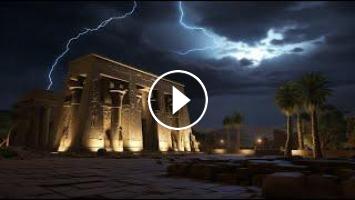
The Amduat, also known as the "That Which Is in the Underworld" or "The Book of the Hidden Chamber," is an ancient Egyptian funerary text that provides a detailed guide to the journey of the sun god Ra through the twelve hours of the night, representing the twelve divisions of the underworld. This mystical journey is a central aspect of Egyptian cosmology and religious belief, emphasizing the cyclical nature of life, death, and rebirth. #amduat #ancientegypt #lostknowledge
Structure of the Amduat:
Introduction:
The Amduat begins with an introductory section where the deceased, often represented by the pharaoh, seeks permission from the guardians of the gates to enter the afterlife. This sets the stage for the transformative journey through the underworld.
The Twelve Hours:
Each hour of the night corresponds to a gate or division of the underworld, and the sun god Ra travels through these realms, facing various challenges and encountering different entities.
a. Hour 1-6:
Ra begins his journey in the first hour, facing dangers and obstacles. As he progresses through subsequent hours, he encounters various deities, spirits, and serpentine creatures symbolic of chaos and challenges.
b. Hour 7:
The midpoint of the journey is a crucial moment where Ra meets Osiris, the god of the afterlife. This encounter signifies a moment of rebirth and renewal.
c. Hour 8-11:
Ra continues his journey, and in these hours, he overcomes further obstacles and challenges. The deceased pharaoh, along with Ra, is transformed and purified, preparing for the ultimate rebirth.
d. Hour 12:
The final hour represents the moment of rebirth and the emergence of Ra from the underworld. The deceased is also reborn, symbolizing the eternal cycle of life, death, and resurrection.
Text and Illustrations:
The Amduat is accompanied by elaborate illustrations on tomb walls and coffins. These depictions serve as a visual guide to the journey described in the text, showcasing the challenges faced by Ra and the transformative processes undergone by the deceased.
Significance of the Amduat:
Funerary Rituals:
The Amduat played a crucial role in funerary rituals, especially during the New Kingdom period. It provided a guide for the deceased pharaoh's journey through the afterlife, ensuring a successful transition to the realm of Osiris.
Symbolism of Transformation:
The journey of Ra through the underworld symbolizes the transformative process of death and rebirth. It underscores the belief in the cyclical nature of existence and the eternal renewal of life.
Connection to Osiris Cult:
The encounter between Ra and Osiris in the seventh hour is significant, emphasizing the connection between solar and Osirian beliefs. It reinforces the notion of resurrection and the pharaoh's identification with Osiris, the god of the afterlife.
Guide for the Deceased:
The Amduat served as a guide for the deceased, providing instructions and insights into the challenges they would face in the afterlife. The text was often inscribed on tomb walls or included in funerary literature to ensure a successful journey to the realm of Osiris.
In summary, the Amduat stands as a testament to the profound religious and cosmological beliefs of ancient Egyptians, offering a detailed map of the underworld and providing solace and guidance for the deceased on their journey to eternal life.
Structure of the Amduat:
Introduction:
The Amduat begins with an introductory section where the deceased, often represented by the pharaoh, seeks permission from the guardians of the gates to enter the afterlife. This sets the stage for the transformative journey through the underworld.
The Twelve Hours:
Each hour of the night corresponds to a gate or division of the underworld, and the sun god Ra travels through these realms, facing various challenges and encountering different entities.
a. Hour 1-6:
Ra begins his journey in the first hour, facing dangers and obstacles. As he progresses through subsequent hours, he encounters various deities, spirits, and serpentine creatures symbolic of chaos and challenges.
b. Hour 7:
The midpoint of the journey is a crucial moment where Ra meets Osiris, the god of the afterlife. This encounter signifies a moment of rebirth and renewal.
c. Hour 8-11:
Ra continues his journey, and in these hours, he overcomes further obstacles and challenges. The deceased pharaoh, along with Ra, is transformed and purified, preparing for the ultimate rebirth.
d. Hour 12:
The final hour represents the moment of rebirth and the emergence of Ra from the underworld. The deceased is also reborn, symbolizing the eternal cycle of life, death, and resurrection.
Text and Illustrations:
The Amduat is accompanied by elaborate illustrations on tomb walls and coffins. These depictions serve as a visual guide to the journey described in the text, showcasing the challenges faced by Ra and the transformative processes undergone by the deceased.
Significance of the Amduat:
Funerary Rituals:
The Amduat played a crucial role in funerary rituals, especially during the New Kingdom period. It provided a guide for the deceased pharaoh's journey through the afterlife, ensuring a successful transition to the realm of Osiris.
Symbolism of Transformation:
The journey of Ra through the underworld symbolizes the transformative process of death and rebirth. It underscores the belief in the cyclical nature of existence and the eternal renewal of life.
Connection to Osiris Cult:
The encounter between Ra and Osiris in the seventh hour is significant, emphasizing the connection between solar and Osirian beliefs. It reinforces the notion of resurrection and the pharaoh's identification with Osiris, the god of the afterlife.
Guide for the Deceased:
The Amduat served as a guide for the deceased, providing instructions and insights into the challenges they would face in the afterlife. The text was often inscribed on tomb walls or included in funerary literature to ensure a successful journey to the realm of Osiris.
In summary, the Amduat stands as a testament to the profound religious and cosmological beliefs of ancient Egyptians, offering a detailed map of the underworld and providing solace and guidance for the deceased on their journey to eternal life.
- Category
- Bondage Challenges
- Tags

Be the first to comment
Up Next
Autoplay
-
1:25:56

An Ophthalmologist's Odyssey -Dr. Revathy Krishnan
-
2:08:30
The Portal To The Heavenly Realm - JCH Online EP186
-
15:31
My Case Fetish. The Sub Realm
-
30:55
CZECHVRFETISH... KK Blm 287 - Ozlem's Odyssey into Distress... PART 1 OF 3!
-
21:04
Bdsm House! 4-Unit 5: DNA-Part 4: Translation (mRNA-Protein)
-
1:29:54
Sanskrit to English - The Challenges of Translation Webinar - Saturday, February 13th, 2021
-
59:20
RAFFMA Intro to Hieroglyphs Workshop RUBBER DOMINATRIX
-
1:12:11
Chuck Missler ❖ The Angelic Realm
-
30:53
Princess Gagged. KK Blm 287 - Ozlem's Odyssey into Distress... PART 1 OF 3!
-
08:31
Fat Bdsm? Translation of mRNA into Protein Part 1
-
31:05

Let's play Trixie's Bad Bot Day: (Tickling RPG) - part 1
-
09:16

VERY HOT CHINESE GIRL Hogtied and Tickled with barefoot!!! Chinese Bondage/BDSM/tied up/hogtied
-
03:58

Escape Challenge || Jilbab Diikat (Req Subb)
-
14:26

Shibari You Can Use? Indo Girl Mummification, Breathplay (Bdsm)#5
-
30:03

Chinese Tickle in socks and barefeet
-
07:54

Kink Party Porn... Vanessa Julia 1
-
07:26

hijab girl mummyfied bondage
-
06:31

FENDOM FETISH. Ferry bound01
-
10:37

Girl tied gagged? ferry bound gagged
-
37:10

Indo Girl Mummified Egyptian Style.(Bdsm)#6 Megan Rain Bondage